

Finding a course
Choosing training at a trade show is easier when you arrive with the right questions. Use this guide to compare academy stands, short courses and longer programmes in a clear, practical way.

Start with the role you want next
Before you speak to any academy, be clear about the work you want to do after training. A salon owner looking to add lash services, a nail technician wanting stronger art skills, and a spa therapist moving into advanced treatments will not need the same course path. If you arrive without that focus it is easy to collect brochures and still go home unsure.
Write down the service area you want to improve, the time you can realistically commit, and whether you need a beginner course or a skills top-up. Think about your working week in Gauteng as well. If you travel in from the East Rand, West Rand, Pretoria side or southern suburbs, course timing matters as much as content. Traffic and power cuts can affect practical training days, so ask how sessions are planned when there are disruptions.
- Choose one main goal: beginner training, added service, refresher, or business upskilling.
- Decide if you need weekday, evening or weekend study.
- Note whether you prefer in-person practical work, theory support, or a mix of both.
- Set a simple budget range and ask for a quote rather than guessing from brochures.
Questions to ask at the academy stand
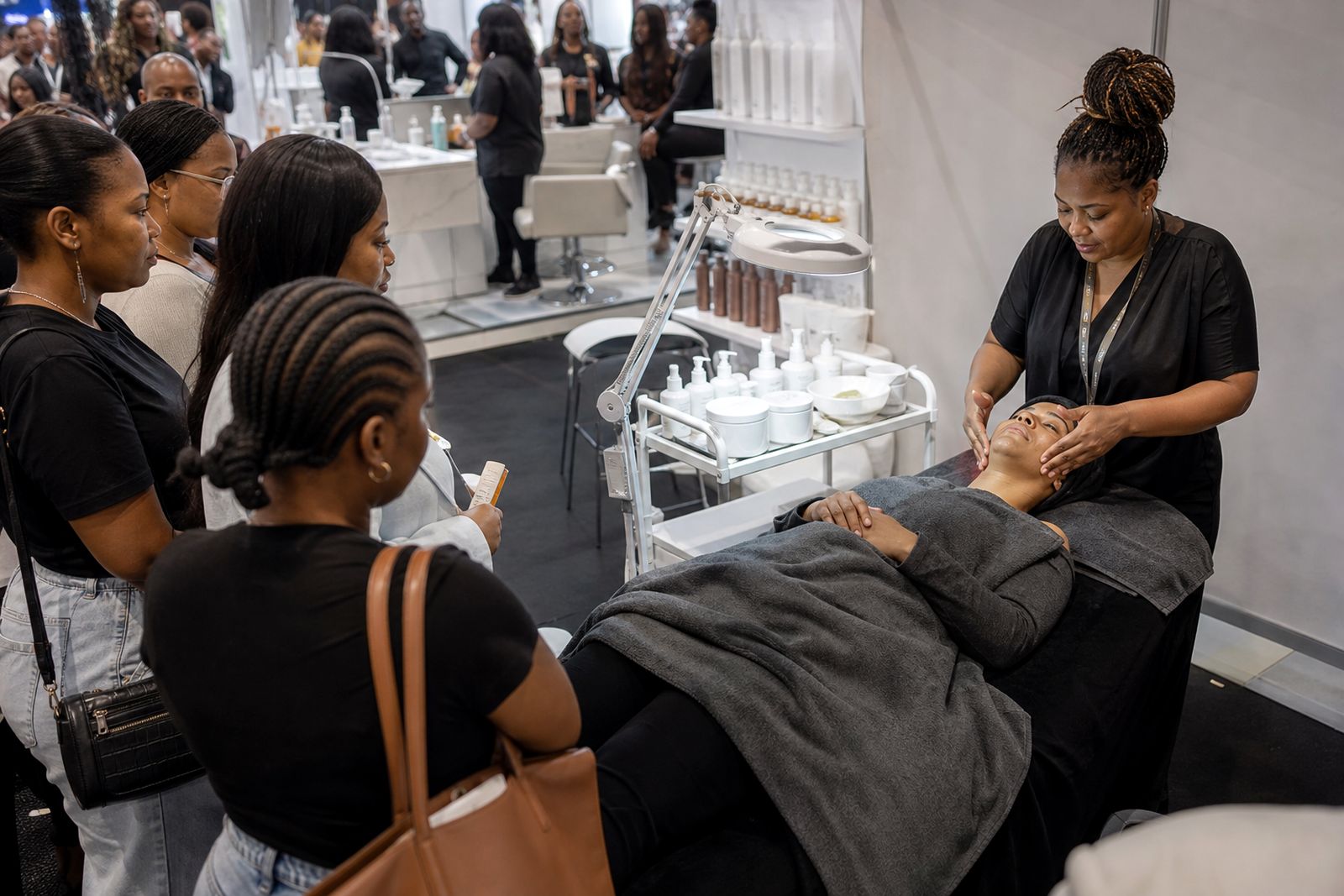
A busy stand can feel rushed, so ask direct questions and write short notes on the spot. Good training providers should explain the course structure plainly, what is included, and what a learner is expected to bring or arrange. Try not to judge only by a polished stand display. The useful details are usually in the timetable, practical hours and assessment method.
Ask the person on the stand to explain who the course suits best. A proper answer should cover entry level, practical demands, class size and the kind of learner support offered. If the answer stays vague, move on and compare with another stand.
- How long is the course and how many practical hours are included?
- Is it suitable for a complete beginner or for working therapists and technicians?
- What equipment, kits, models or products are included, and what must I supply myself?
- How are practical skills assessed?
- Are there catch-up options if I miss a session because of transport or work demands?
- Where does training take place in Gauteng and how often do classes run?
- What support is available after the course if I need guidance in the first few weeks of offering the service?
Compare course content, not just the certificate
Many visitors first ask what certificate they will receive. That is understandable, but it should not be the only thing you compare. Look closely at the actual modules taught and how much time is spent on consultation, preparation, practical technique, hygiene and aftercare advice. In salon, nail and spa work, a short course may be enough for one narrow skill, while a broader programme may suit someone building a new service menu.
Ask to see the module outline. If hair colour is part of your plan, find out whether the academy covers consultation, strand planning, timing, correction basics and client home care advice. For nail training, ask whether prep, structure, shaping, finish work and safe tool handling are taught in practical detail. For spa-related study, ask how treatment flow, client comfort, room setup and contra-indication awareness are handled. General good practice matters just as much as speed.
It also helps to ask how much model work learners do. Watching a tutor demo is useful, but your own hands-on time is what turns theory into paid work later. A course that looks cheaper at first can cost more if you still need extra practice elsewhere.
Check the training setup and learner support
The best questions are often about the day-to-day training environment. Ask how many learners are typically in a practical group and how much access you get to the trainer during exercises. In beauty training, small details matter: hand position, product control, timing and finishing standards. If groups are too large, you may not get enough correction while you practise.
Also ask what happens when normal trading conditions interfere with learning. In Gauteng, rain, traffic and power cuts can affect attendance and practical setup. A well-run academy should be able to explain whether theory work continues, whether practical sessions are rescheduled, and how learners are kept informed. That answer tells you a lot about organisation, even before you enrol.
- Typical practical group size.
- How feedback is given during practical sessions.
- Whether learners can revisit notes or demonstration material after class.
- What happens if a practical day is interrupted.
- Whether starter guidance is offered for setting up a small service station at a salon or from home.
Ask about business fit, not only technique
A course should make sense for the kind of clients you serve and the services you can actually offer. If you rent a chair, work mobile, or run a small treatment room, some training paths will fit better than others. At the stand, explain your setup clearly. The academy should be able to say whether the course suits a full salon, a home studio or a side-line service added to existing bookings.
For salon owners, ask how quickly a new service can be introduced after training and what setup is normally needed. For independent technicians and therapists, ask what consumables are required for the first month and what repeat buying looks like. You do not need exact spending from the stand there and then, but you do need a realistic picture. A beautiful technique means very little if the service takes too long to perform or needs stock you cannot manage easily.
It can also help to ask whether the academy discusses consultation forms, patch test procedures where relevant, booking times and treatment room workflow. Training that includes these basics is often easier to apply in real working conditions, not just in class.
Leave with a short list and follow-up plan
Do not try to choose on the floor after speaking to one stand. Walk the academy section, compare your notes, then narrow your options to two or three. If you are attending both days, use the first day to gather facts and the second to return with sharper questions. That slower approach usually leads to a better decision.
Before you leave, check what information you still need to request after the show. If something important was not available at the stand, use the contact page enquiry form to ask for the next step. Keep your own notes simple and consistent, otherwise brochures pile up and details get mixed.
- Circle your top three options before you leave the show.
- Write one reason each course suits your current work.
- Write one concern or missing detail to follow up.
- Compare duration, practical hours, location and support side by side.
- Choose the course that best matches your role now, not only the one with the widest promise.
A good choice is usually the course you can complete properly and apply straight away. Fancy wording on a flyer is not the same as useful training, and that small difference matters a lot.
What our Beauty Trade Show customers say
Verified Google reviews
Questions we get asked
Should I book a course at the show straight away?
It is usually better to compare a few academy stands first, then review your notes before you commit. Use the show to gather facts, ask practical questions and narrow your shortlist.
What should I bring with me to compare academies properly?
Bring a notebook or notes app, your rough budget range, your available study times and a clear idea of the services you want to offer next. That makes it easier to ask focused questions.
Is a shorter course always the better option for working professionals?
Not always. A shorter course can suit a narrow skills update, but if you need strong practical time and fuller business context, a longer course may be the better fit.
Also worth a look

Book a stand or register to visit
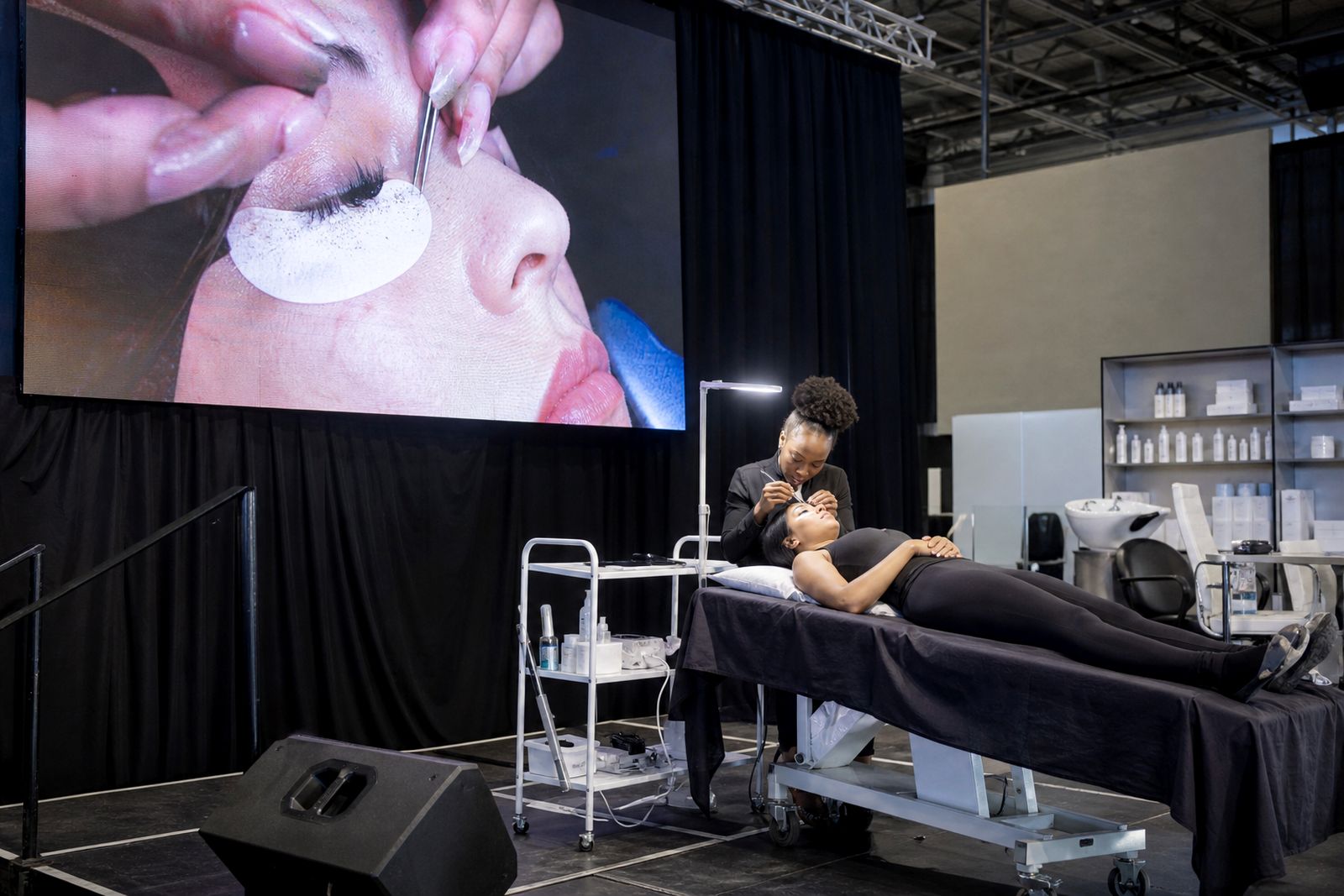
Send a note through our contact form to ask about a stand, a stage demo slot or trade visitor entry, and our team will reply with the details.
Open the contact form