

Planning two days
A two day trade show gives you enough time to compare suppliers properly instead of rushing from stand to stand. With a simple plan, you can use one day for sourcing and the next for demos, training options and follow up questions.
Start with a clear reason for visiting
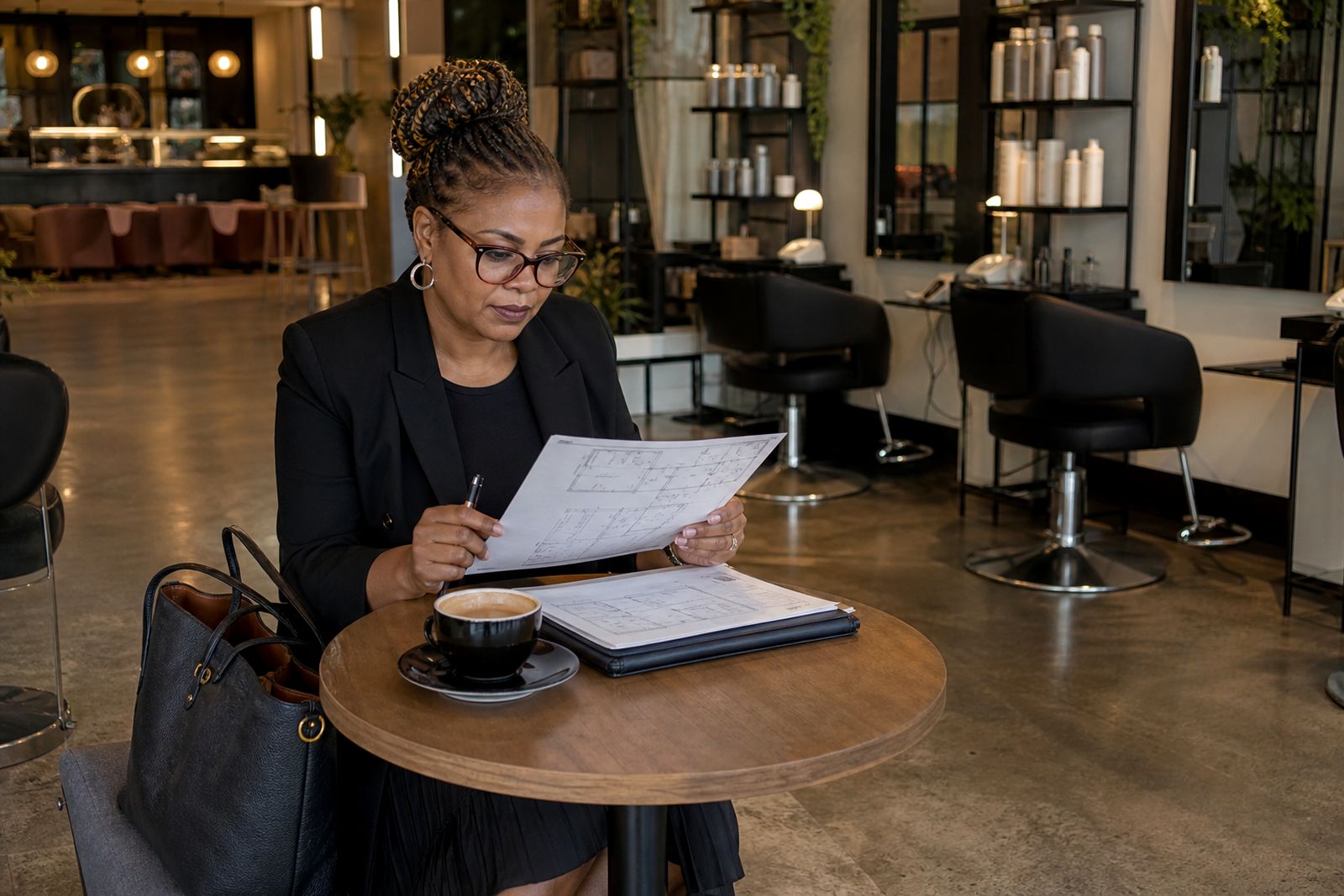
Before you arrive, decide what you need from BeautyShow. Salon owners often want to compare ranges, furniture layouts and training support. Nail technicians may be focused on tools, colour ranges and live technique demos, while spa therapists might be looking at treatment room equipment, linens, consumables and course options.
Write down three priorities only. If your list is too long you will spend both days walking in circles and still miss the stands that matter most. Keep your plan practical: what do you need to buy soon, what can wait, and what needs more research after the show.
- Choose your top three buying or sourcing goals.
- Note any current problems in your business, such as cramped workstations or slow service flow.
- List the categories you want to compare, not specific brands.
- Decide which demos matter most to your work.
- Leave space for one or two useful surprises.
Use day one for supplier comparisons
Day one is best used for walking the floor methodically. Start with exhibitors that affect your operating setup first, especially if you are making decisions on salon furniture, storage, lighting around work areas or training support for staff. It is easier to compare properly when your mind is fresh.
Ask the same set of questions at each stand so your notes stay useful later. For furniture, ask about dimensions in millimetres, cleaning requirements, assembly, lead times and whether finishes suit coastal humidity if you work near the coast. For products, ask about pack sizes, typical order patterns and what support is available after purchase. For courses, ask how much hands on practice is included and what level the training is aimed at.
Do not try to make every decision on the spot. If a supplier gives good answers, take their details and mark them as shortlist, maybe, or not suitable. A quick note now saves a lot of confusion later.
- Measure key spaces at your premises before the show.
- Carry photos of treatment rooms, nail stations or wash areas.
- Ask for written specifications where available.
- Take notes straight away, even if the stand is busy.
- Mark stands to revisit on day two.
Plan your route around stage demos
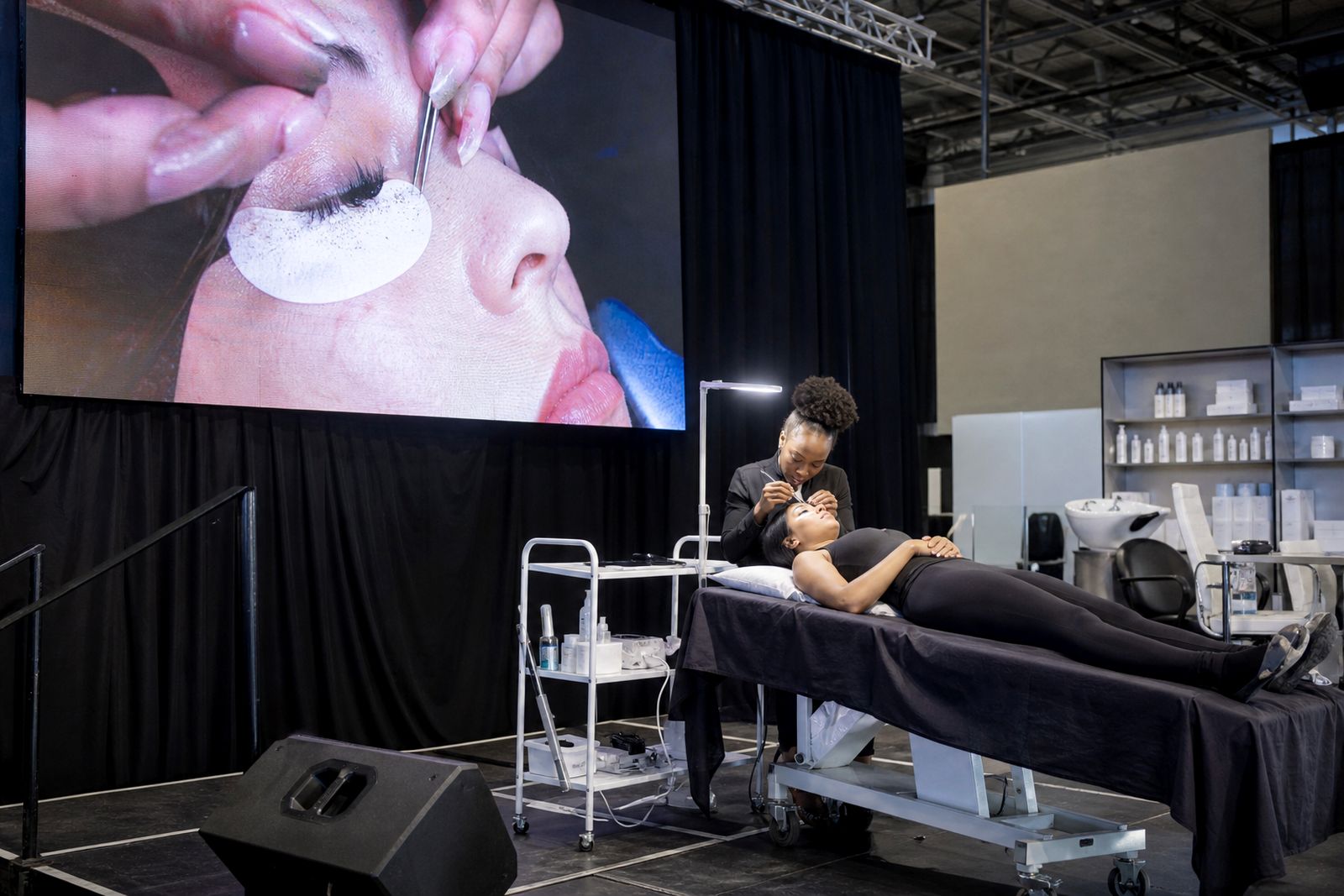
Live stage demos are useful, but they can also break your day into small pieces if you have not planned around them. Check which sessions you most want to see, especially for hair colour, lash work and nail art, then build your supplier walk around those times.
If a demo is directly linked to services you offer, arrive a bit early so you can stand where you can actually see the technique. Watch for preparation, sectioning, product handling, tool control and finishing steps, not just the final look. Good demos often answer practical questions without saying much at all.
Keep a short list of what to watch for. This helps you avoid leaving with a few nice photos but no workable ideas for your salon or treatment room.
- What prep steps are repeated every time?
- How is time managed during the service?
- What tools seem essential and what looks optional?
- What hygiene habits are clearly visible?
- Which techniques could your team learn and apply realistically?
Keep your notes simple and useful
By lunchtime on day one many visitors have brochures, photos and voice notes from several stands. If you do not sort that information quickly it becomes hard to use. A very simple note system works best: one page or one note per supplier, with headings for product fit, space requirements, support, training and next step.
Photos are helpful, but always add a few words with each image so you remember why you took it. A chair might look right in a photo, for example, but if the base footprint is too wide for your floor plan then it should not stay on the shortlist. Small details matter more than first impressions, especialy when you are planning around narrow service areas or shared rooms.
If you are attending with a manager or operator from your business, compare notes before you leave for the day. That small debrief can save you from duplicating conversations on day two.
Use day two for second looks and course questions
Day two should be slower and more selective. Go back to the stands that made sense on day one and ask the questions you only thought of later. This is the right time to discuss practical matters such as replacement parts, cleaning routines, delivery arrangements and what support is available once equipment or products are in use.
It is also a good day to visit academies and training providers. Rather than asking only about the course title, ask what a learner must already know, how much practical work is expected, and what someone should be able to do by the end. If you are sending staff, think about travel time within Gauteng, shift planning and whether the training schedule will interrupt client bookings.
- Revisit only your shortlisted stands first.
- Ask follow up questions based on your notes, not memory.
- Compare training options with your staffing needs.
- Check what can be implemented quickly after the show.
- Leave with a next action for each strong lead.
Finish with an action list for the week after
The value of two days at BeautyShow is what happens after you get back to work. Before you leave, decide which suppliers need a quote request, which courses need internal discussion, and which ideas should be tested in a small way first. If you collect too much information without a follow up plan, even a very good show visit can fizzle out.
Set aside time in the week after your visit to review notes properly. Group your findings under buy now, compare further and keep on file. That makes it easier to speak to business partners or senior staff in a clear way, and it keeps the focus on what will actually improve your service offering or floor layout.
If you still need clarity after the event, use our contact page enquiry form and we will point you to the relevant part of the show information.
What our Beauty Trade Show customers say
Verified Google reviews
Questions we get asked
Should I try to see everything in one day?
No. BeautyShow is easier to use well over two days. Spend day one comparing suppliers and day two revisiting shortlisted stands and watching the demos most relevant to your work.
What should I bring with me?
Bring a small notebook or phone for notes, photos of your salon or treatment rooms, rough measurements of key spaces and a short list of the questions you need answered.
Is it worth attending if I am not buying immediately?
Yes. It is still useful for comparing options, seeing techniques live, understanding space requirements and gathering training information before you make later decisions.
Also worth a look
Book a stand or register to visit
Send a note through our contact form to ask about a stand, a stage demo slot or trade visitor entry, and our team will reply with the details.
Open the contact form