

Nail art demos
Nail art stage sessions are useful when they show more than a finished set. The best demos break down prep, product control, timing and the small hand movements that affect neatness and wear.
What a good nail art demo should actually show
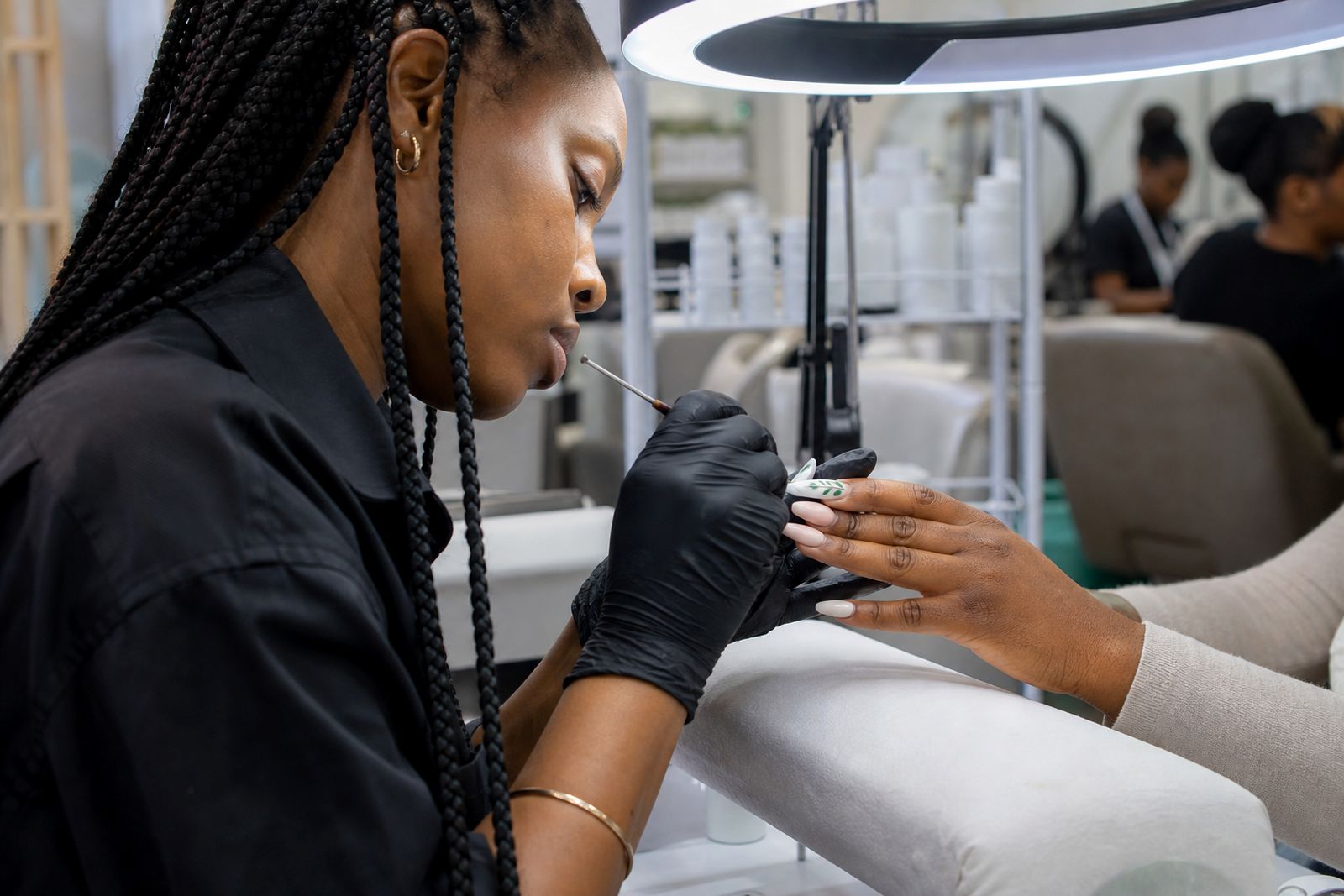
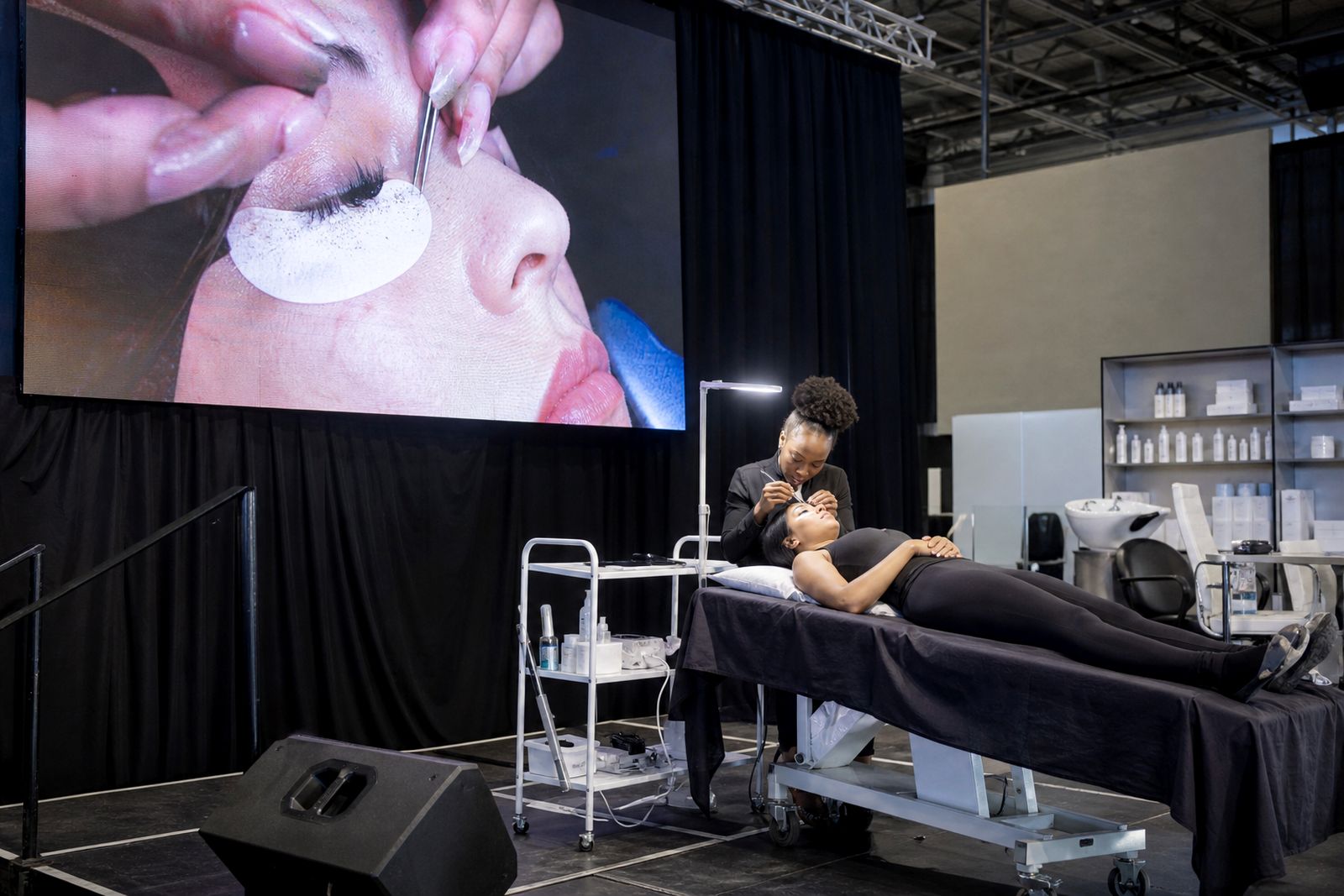
A strong stage demo does not rush straight to the final photo-ready result. It shows the order of work from surface prep through to top coat, with enough explanation that a salon owner, nail technician or trainee can judge whether the method will suit their service menu. On a busy trade floor that matters, because you may only have twenty minutes to decide which stand to revisit later.
Look for educators and demonstrators who explain why they choose a certain brush size, gel thickness or curing sequence. When that is clear, the demo becomes useful for both experienced techs and newer visitors. It also helps visitors compare techniques rather than just colours and decoration styles.
- Prep steps before any art begins.
- How the base affects fine lines, chrome or layered detail.
- Brush angle, pressure and product pickup.
- Curing points between layers.
- How to avoid bulk near the cuticle and side walls.
- Finishing choices for gloss, matte or textured effects.
Techniques worth watching closely on stage
Nail art can look simple from a distance, but stage viewing gives you a chance to study timing and control. Fine line work, ombré fades, layered florals, foil placement, stones and encapsulated elements all depend on small decisions made quickly. A useful demonstrator will show when to pause, when to cure and when to stop adding product before the nail becomes too heavy.
Hair and beauty trade visitors from Johannesburg and the wider Gauteng salon market often want ideas that can work in a real appointment book, not only in competition style sets. So practical demo content usually lands best: clean line French variations, seasonal detail, short nail art that still reads well and quick add-ons that raise service value without adding too much chair time.
Watch closely for hand support and client finger positioning. These details are easy to miss in training clips, but on stage you can often see exactly how the demonstrator stabilises the working hand. That one habit can improve straighter lines and cleaner symmetry more than buying another tool.
Questions trade visitors should ask during the session
Stage demos are not only for watching. They are one of the best places to ask practical questions before you place an order, book training or change part of your service menu. If the method looks good on stage but needs unrealistic timing or too many extra steps, you need to know that before taking it into a working salon.
Keep your questions direct and trade-focused. Ask about wear, correction, removal and turnaround time. Ask whether the style suits short natural nails, overlays or extensions. If you manage a team, ask what level of technician can repeat the look consistently after practice.
- How long does this design take once the technician is confident?
- Which step causes the most lifting, smudging or uneven finish?
- What brush care is needed between colours or gels?
- Is the effect suitable for quick salon sets or only for showcase work?
- Can the design be simplified for clients who want shorter appointments?
- What should be stocked for this technique apart from colour and top coat?
These are the questions that save time later, and they often lead you to the right exhibitors for follow-up conversations after the stage session.
A Gauteng workshop example from the trade floor
One practical example comes from a small Gauteng nail workshop that sent its operator and one junior technician to a two-day trade show in Johannesburg. Their salon already offered plain overlays and basic gel polish, but hand-painted art was inconsistent and booking times kept slipping. They used the stage programme to compare three different demo styles instead of buying on impulse from the first stand they saw.
The pair focused on simple line art and layered gel detail for short-to-medium lengths, because that matched their regular client base. During one stage session they noticed the demonstrator curing between steps far more often than they did in the salon. They also saw that the brush was loaded far lighter than expected. That small change reduced flooding at the side walls and gave cleaner detail.
After the show, they adjusted their internal practice routine. Rather than trying five designs in one sitting, they repeated one clean swirl pattern on sample tips until each technician could complete it neatly in a set time. Within a few weeks their finish improved and rework dropped a bit, mostly because they slowed the product pickup and stopped overworking lines. It was not magic, just better observation and better questions on the day.
How to judge whether a trend will work in your salon
Trade shows often bring strong seasonal looks and social-media-driven trends onto the stage. That is useful, but not every trend fits every salon. Before adopting a style, think about your client profile, appointment spacing and aftercare conversations. A dramatic textured set may look excellent under lights, but it may not suit clients who need practical wear for daily work.
Try to assess each trend against three realities: application time, repeatability and maintenance. If your salon has high staff turnover or mixed experience levels, very complex art may be hard to standardise. If your clients mostly book after work or over weekends, long appointment add-ons may also be difficult to sell.
There is also the local environment to think about. Gauteng's dry winter air, summer heat and frequent power cuts can affect how a busy salon plans curing time, backup lighting and appointment flow. A demo that includes good workstation habits, tidy product handling and sensible sequencing is often more valuable than one that only chases the latest look.
Make the most of the stage before and after the demo
You will get more from nail art demos if you arrive with a short plan. Check the stage times, note the techniques most relevant to your salon and leave a few minutes afterwards to visit related exhibitors. If you are deciding between stock lines, furniture layouts or training routes, stage viewing helps you narrow the field before you start detailed conversations.
It also helps to record what you noticed in plain terms: curing order, brush choice, top coat effect, average pace and any prep point you want to test back in the salon. A quick note while the session is fresh is usually worth more than ten rushed photos later. Some visitors come away inspired but with nothing practical to trial on Monday morning. A better approach is to leave with one or two methods you can test properly.
If you want to plan your visit around nail sessions and other trade content, use the enquiry form on our contact page and ask which pages on the site will help you prepare. That way you can connect stage demos with exhibitor categories, academy information and your two-day visit plan.
What our Beauty Trade Show customers say
Verified Google reviews
Questions we get asked
Are nail art demos only useful for advanced nail technicians?
No. A well-run demo should help both newer and experienced trade visitors. Beginners can learn order of work, brush handling and curing points, while established technicians can compare speed, finish and service practicality.
Will stage demos cover salon-friendly nail art or only showpiece work?
The focus is on trade value, so salon-friendly methods matter. Some sessions may include eye-catching work for inspiration, but the most useful demos usually explain techniques that can be adapted for everyday bookings.
How do I follow up after seeing a technique I want to explore?
Make a note of the method, tools used and the questions you still have, then visit relevant exhibitors and academy stands during the show. If you need help planning your visit, contact BeautyShow through the enquiry form on the contact page.
Also worth a look
Book a stand or register to visit
Send a note through our contact form to ask about a stand, a stage demo slot or trade visitor entry, and our team will reply with the details.
Open the contact form